


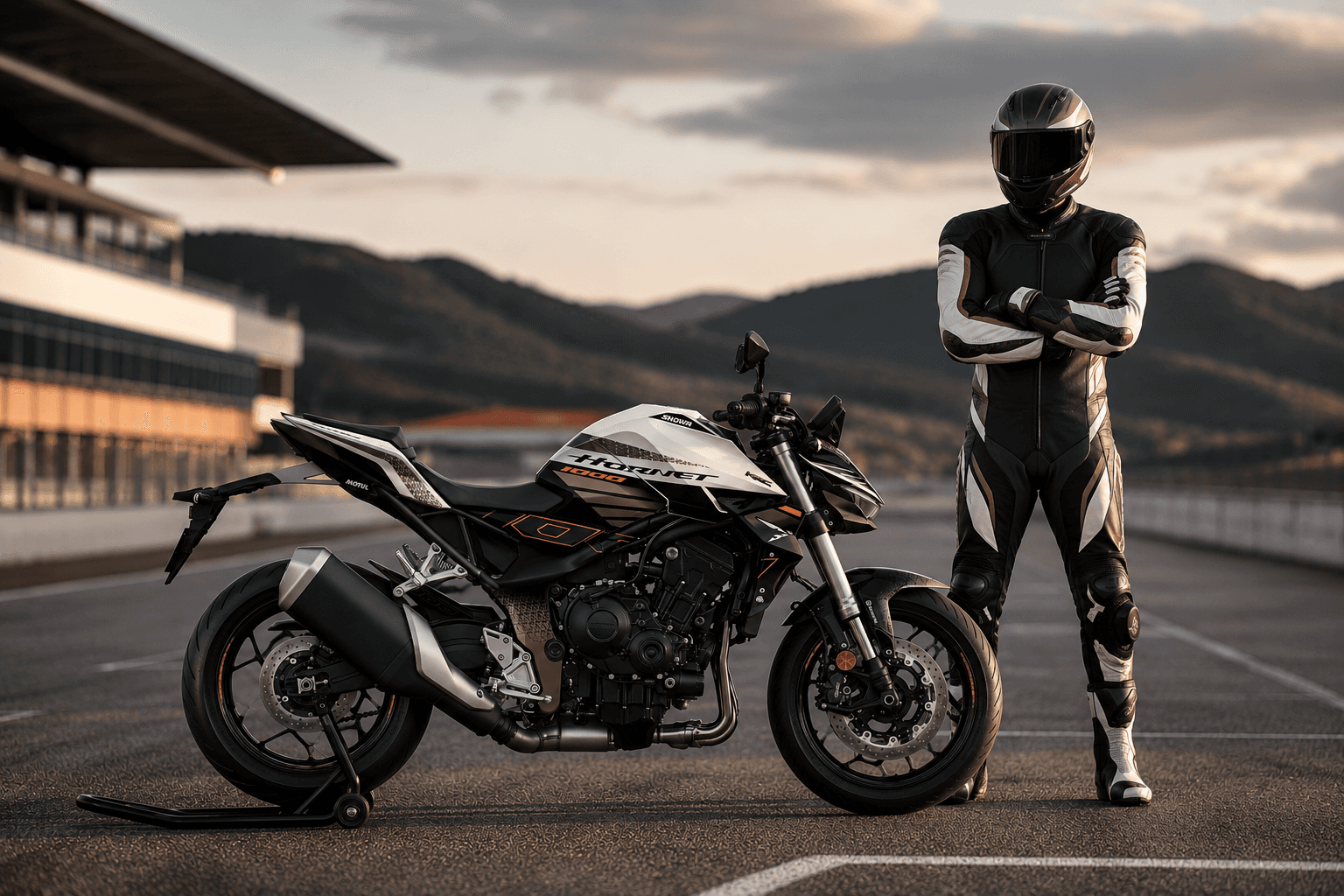
MT, CB, Duke, ER-6, GSX, Svartpilen, Vitpilen… Learn how to protect and refresh your street bike fairings with a decal kit: preparation, application, maintenance, and tips to keep your motorcycle looking its best.
Roadster decal kit: Protect and refresh your bike's fairings
With mileage and regular use, a motorcycle inevitably shows signs of wear over time. Micro-scratches, rubbing, small marks on plastics, or dulled fairings can gradually alter its appearance.
On a roadster, these imperfections are particularly noticeable since many parts remain directly exposed.
When you want to refresh your bike's look without a full repaint or replacing fairings, applying a decal kit can be an interesting solution to renew its appearance while protecting certain surfaces.
But for long-lasting results, some precautions are essential.
Why do roadster fairings show wear over time?
Even with careful maintenance, some areas naturally get more exposure.
Clothing friction, road debris, repeated washing, or simply daily use can gradually leave marks.
Areas around the fuel tank, scoops, or side panels are often particularly affected.
Over time, some surfaces may also lose some of their original finish.
This doesn't necessarily mean replacing affected parts. There are various solutions to refresh a roadster's appearance while keeping its original components.
Can a decal kit protect motorcycle fairings?
The primary purpose of decal kits remains aesthetic.
However, the vinyl film also adds an extra layer between the bike's surface and its environment.
It can help protect covered areas against minor scratches, rubbing, or surface wear from normal use.
This protection has natural limits: a decal kit isn't a mechanical protection and won't prevent damage from drops or significant impacts.
Its main benefit is better preserving covered surfaces while changing the bike's appearance.
Can you apply decals over already marked fairings?
It depends on their condition.
Small marks or micro-scratches don't necessarily prevent application.
However, the film shouldn't be considered a solution for heavily damaged fairings.
Cracks, significant warping, or severely deteriorated surfaces need repair before application.
Surfaces must also be smooth enough for proper film adhesion.
Before applying decals to an older bike, it's important to check each part's condition.
Surface preparation is crucial
This is likely the most important step.
A fairing may seem perfectly clean while still retaining grease, wax, silicone, or cleaning product residues.
These substances can significantly reduce film adhesion.
All surfaces must be thoroughly cleaned and degreased before application.
At KUTVEK, we offer K7, specifically designed for surface preparation and degreasing before decal application.
This step ensures a clean surface and promotes good film adhesion.
Caution with plastic restorers before application
When a bike has slightly dulled plastics, the first instinct might be to use a plastic restorer.
These products can be useful for maintaining exposed parts of the bike.
KUTVEK's K9, for example, helps restore and revive certain plastics.
However, a restorer shouldn't be applied to surfaces immediately receiving adhesive.
Depending on their composition, some products may leave residues that reduce adhesion.
Surfaces meant for decals must remain perfectly clean and degreased.
Refreshing a roadster's look without full repaint
A complete paint job can deliver excellent results but represents a much more involved process.
Decal kits offer a different approach.
They allow modifying a significant part of the bike's visual identity while keeping original parts.
On some roadsters, the change can be particularly dramatic since decorated surfaces are directly integrated into the bike's lines.
This makes it possible to give new life to older machines or simply evolve their appearance.
Choosing a design suited to the bike's condition
When using decals for aesthetic renewal, graphic design choice also deserves consideration.
The goal isn't necessarily covering maximum surface area.
A well-designed kit should account for remaining visible parts: frame, engine, wheels, fuel tank, or various body elements.
Decal colors can then be chosen to create harmony with the bike's existing configuration.
Different finishes also modify the final look, with options including holographic, glitter, fluorescent, or pyramid effects depending on the project.
Proper application for long-lasting results
With surfaces prepared, application must be done carefully.
Work in good conditions, on a clean bike in a suitable environment.
Each element should be positioned gradually, respecting the fairing's contours.
Curved areas and edges require special attention so the film properly conforms to the part.
After application, it's important to follow recommendations about film curing before washing or immediately exposing the bike to harsh conditions.
Proper application directly contributes to result quality and longevity.
Daily decal kit maintenance
Once installed, regular care helps maintain the kit's appearance longer.
Gentle, frequent cleaning is better than letting significant dirt accumulate.
Be cautious with pressure washers, especially near film edges.
As with the rest of the bike, good habits help preserve its look over time.
Protection or customization: Different objectives
Installing decals on a roadster can serve multiple purposes.
For older bikes, it can help refresh appearance and protect certain surfaces.
For newer bikes, it can also help preserve certain parts from the first miles.
But if your main goal is completely transforming your bike's style, we've created a specific guide about customizing a roadster with decal kits, covering models like KTM Duke, Kawasaki ER-6, Husqvarna Svartpilen, Vitpilen and Suzuki GSX.
→ This is where I'd insert the internal link to our newly published article.
The idea is choosing the solution that truly matches your project: protection, renewal, or simply creating a bike like no other.
FAQ
Can decals hide fairing scratches?
Some minor marks may become less visible once covered. However, decals don't repair deep scratches, cracks, or fairing deformations.
Can you apply decals to an old motorcycle?
Yes, provided surfaces are in good enough condition. They must be clean, smooth, and properly degreased before application.
Do decals protect paint?
The film adds an extra layer on covered surfaces and can help protect against minor scratches and rubbing. However, it doesn't protect against significant impacts.
Can I use plastic restorer before applying decals?
It's better to avoid using restorers on surfaces receiving adhesive. Some products may leave residues reducing adhesion. These areas must be perfectly cleaned and degreased.